Reduce Excess Moisture in Your Home

10/6/2021

Tackling dampness and ventilation creates a dry, healthy home that holds in the heat, reduces emissions and keeps money in your pocket.

EASY WAYS TO VENTILATE AND REDUCE DAMP
  • Air your home regularly. Open doors and windows for 10-15 minutes each morning, or use a ventilation system. Airing out a room when you turn off the heater also helps to avoid condensation.
  • Use energy efficient, low emissions heaters. Heat every room being used by someone to at least 18°C. Don't use unflued or portable gas heaters.
  • Dry washing outside. Use a washing line or rack under a covered verandah, garage or carport. Use a clothes dryer only to finish them off, or if it's raining.
  • Use extractor fans and rangehoods. Make sure they're big enough to do the job, regularly cleaned and send air to the outside, not your ceiling space.
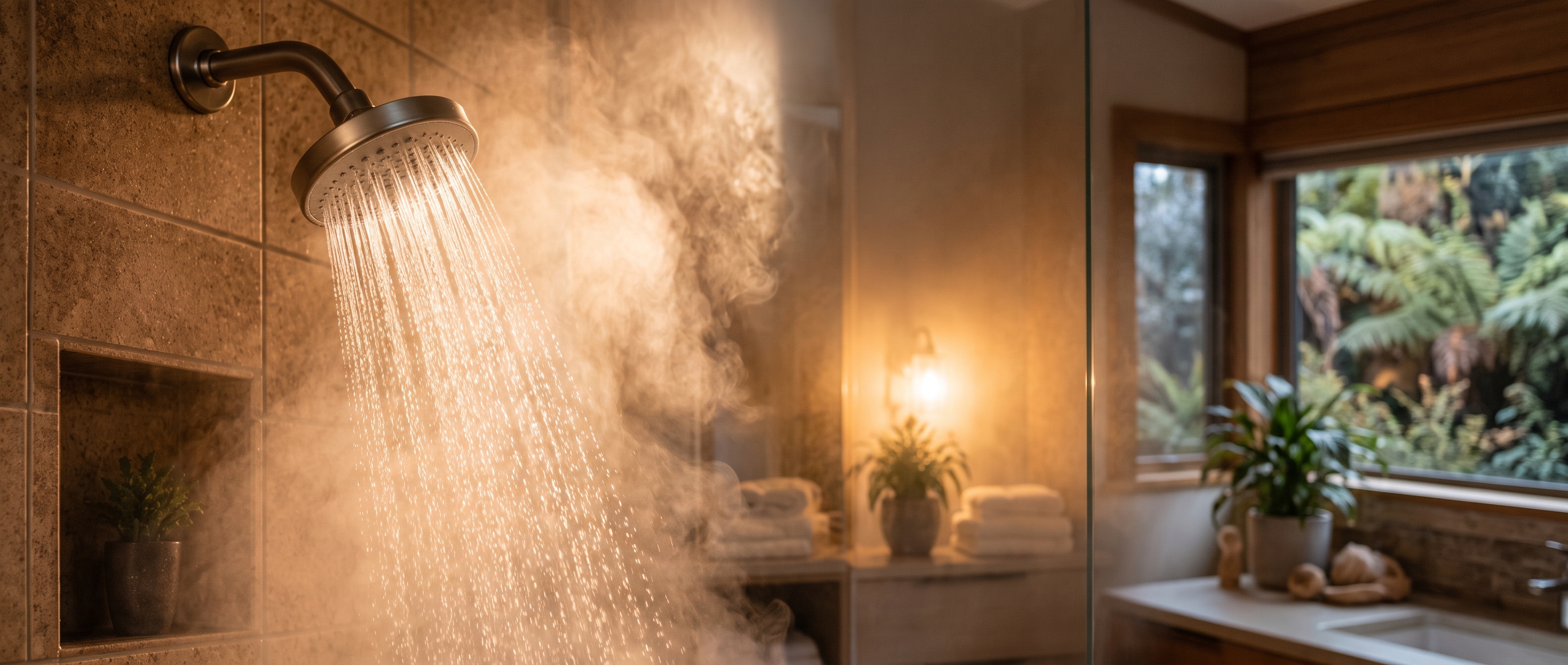
  • Turn on the bathroom fan before a shower or bath. Shut the door and open the window an inch. Afterwards, leave the fan running until the moisture clears.
  • Use lids on pots when you cook. This helps to stop the steam escaping.
  • Move furniture away from walls in winter. A 10cm gap will discourage mould (especially on external walls).
  • Leave wardrobes slightly open. A little air circulation discourages mould growing on fabric.
  • Use a dehumidifier on damp days. This will help to reduce condensation but it won't solve a dampness problem. It's better to tackle the sources of damp and heat and ventilate your home.


CHECKLIST TO FIND SOURCES OF DAMP AND MOULD
  • Extractor fans, rangehood and clothes dryer are sending air and moisture to the outside, not inside or in the ceiling space. Extractor fans and rangehood filters are clean.
  • Extractor fans and ducting are at least 150mm diameter (smaller ones won’t be effective, except in a toilet) and ducting isn't damaged, and is short and as straight as possible.
  • Plumbing pipes and services have no leaks and no moisture is getting into walls, floors or near showers or baths — get under the house if you can.
  • Downpipes and gutters are clear and not leaking, and downpipes connect to storm water drains — check in the next downpour.
  • Subfloor wall vents are unblocked and the subfloor area is clear.
  • Wall and roof cladding, and flashings have no leaks.
  • Concrete walls and floors have no damp patches or white mineral deposits which indicate moisture is coming through (lift the flooring to check).

‍

THINGS TO FIX, INSTALL AND IMPROVE TO COMBAT DAMPNESS
  • Bathroom extractor fan — install a run-on timer switch to keep the fan running for a few minutes after you switch it off, or a humidity sensor to turn on the fan when it detects steam.
  • Install a shower dome — to stop steam escaping into your bathroom.
  • Buy a bed base — if your mattress is on the floor, a bed base will let air circulate underneath.
  • Improve drainage — if surface water flows under your house during heavy rain, reshape the outside levels or install drainage. Ask a licensed drain layer for advice.
  • Install ventilation system — A heat recovery/ventilation system brings outside air into the house while recovering the existing heat via a heat exchanger. This allows the house to be fully ventilated without throwing away valuable heat that has already been paid for.
  • Seal damp concrete or masonry — use a waterproofing sealant or moisture barrier. Ask an expert about the best product for your situation.